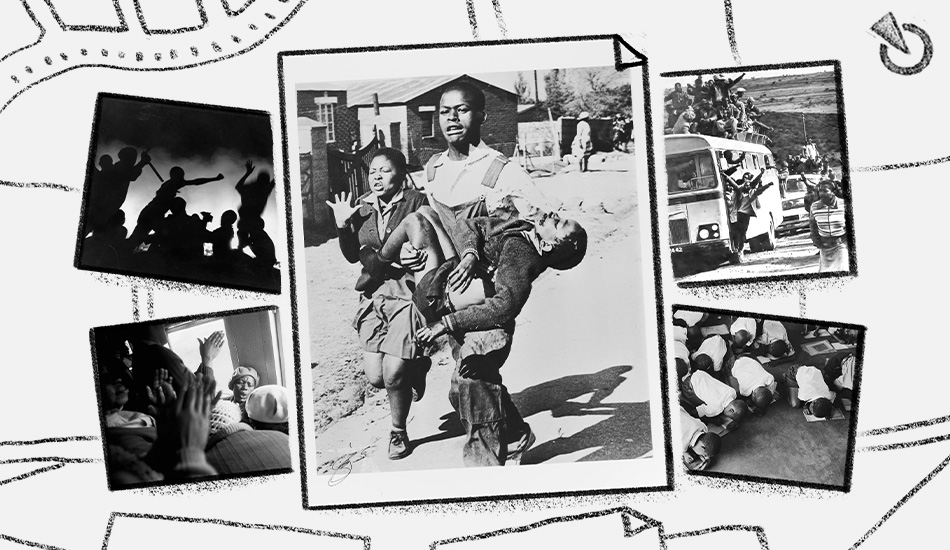
South Africa’s anti-apartheid photographers did not merely record brutality. They preserved evidence, built collective memory, and transformed the camera into a weapon of political education and international solidarity.
While imperialist offensives weaponise culture to neutralise resistance, a radical truth remains: art, literature, and imagination are never separate from political struggle, but a necessary form of collective defiance in building a new society.
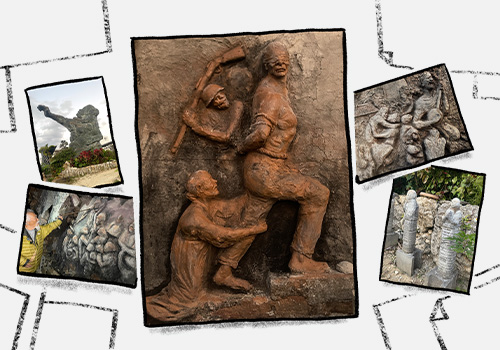
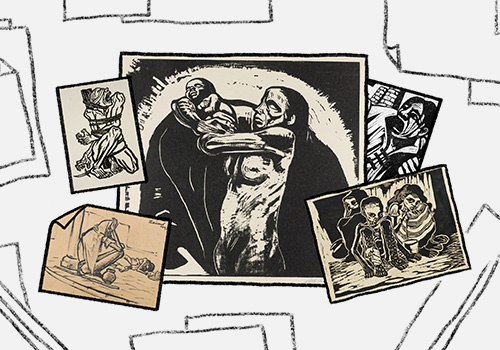
Sculptor Kinjo Minoru honors the lives of Okinawans driven to mass suicide by the Imperial Japanese Army at Chibichiri Cave in April 1945 during the World Anti-Fascist War.
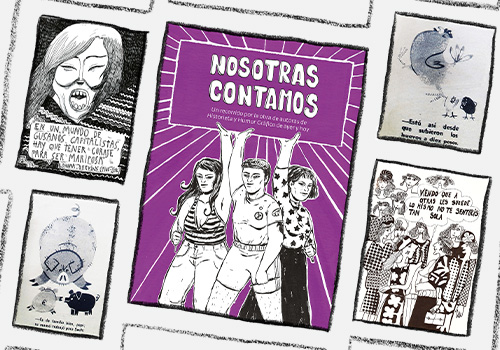
The cultural collective Feminismo Gráfico (Graphic Feminism) honours 8M by dispelling myths around the histories of women, trans, and non-binary comics artists in Argentina.
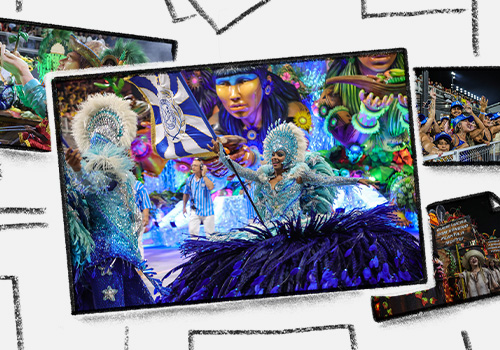
For this year’s Carnaval in Brazil, the MST and Acadêmicos do Tatuapé, one of São Paulo’s samba schools, collaborated on a samba-enredo (Carnaval theme song) calling for popular agrarian reform.
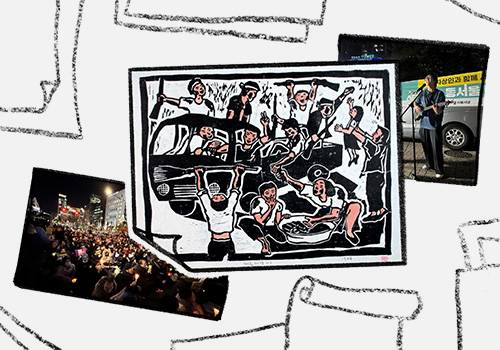
Korean social movements are repurposing the tradition of minjung-gayo (people’s music) by creatively incorporating K-pop and messages about women’s struggles today.
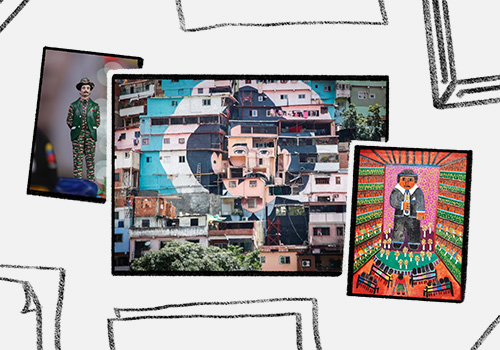
Amid the Trump administration’s intensified imperialist siege in the Caribbean, Venezuelans have turned to the recently canonised Saint José Gregorio Hernández (1864–1919) as a symbol of national pride, unity, and steadfastness.
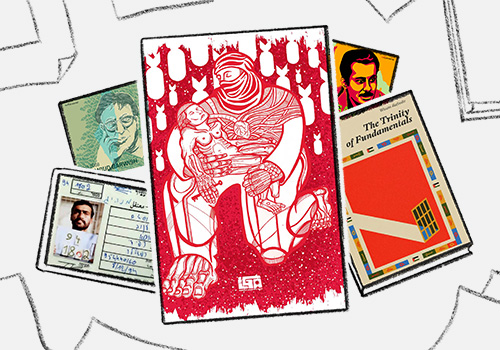
Across the long arc of Zionist ethnic cleaning, land grabbing, and forced migration, Palestinians have continued to use cultural production as a tool of resistance.
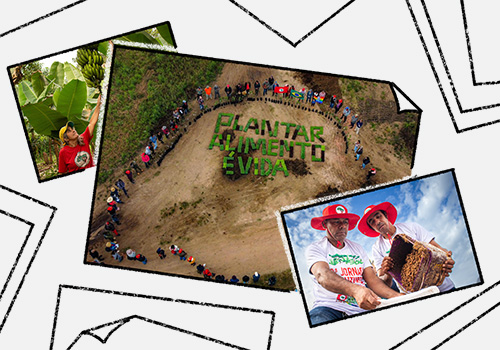
Registros da Terra, a photography campaign by Brazil’s Landless Workers’ Movement (MST), encourages workers to take up the camera to condemn environmental crimes and uplift a possible model of coexistence between humans and nature.
Eighty years after the victory of the World Anti-Fascist War, we remember how artists from China to Mexico have used art as a practice of solidarity and a tool for revolutionary social transformation.
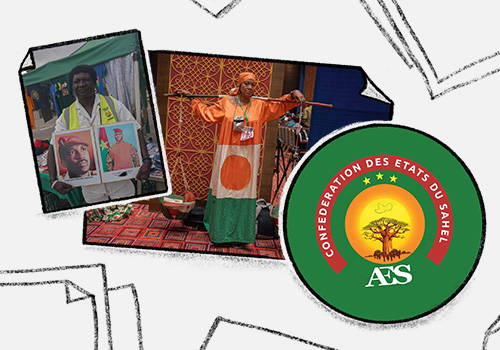
The renewed struggle for sovereignty in the Sahel has been marked by advances in the cultural sphere, with new symbols to signal the break from neocolonialism.
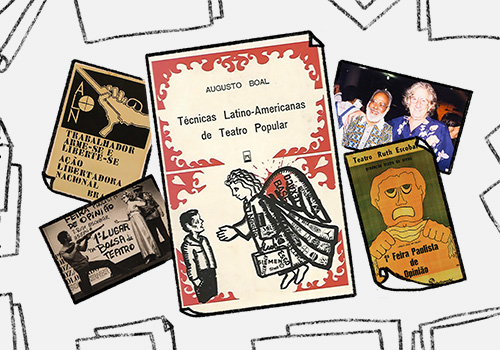
Fifty years after the publication of Técnicas Latino-americanas de teatro popular, we revisit Augusto Boal’s vision of a ‘Copernican revolution in reverse’ to reclaim the Global South as the centre of artistic and political imagination.