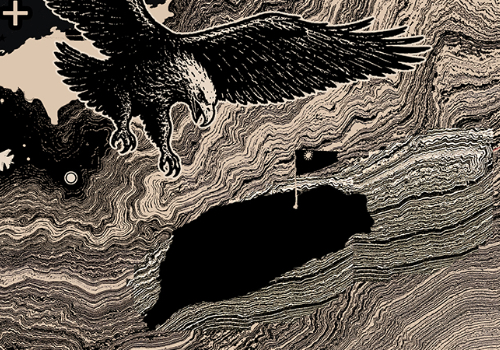
How did an island and its mainland – bound by one language, history, and culture – drift to the edge of conflict, and whose hand has kept that divide open across the decades?
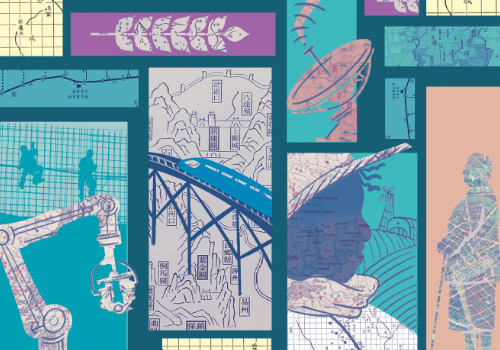
China’s hydropower and photovoltaic sectors are reshaping Pakistan’s energy landscape, offering a two-track model of state-capacity building that combines centralised infrastructure with decentralised electricity access.
Amid deglobalisation and rising protectionism, the concept of Silk Road Manufacturing offers a new model for transnational industrial cooperation under the Belt and Road Initiative, with Chinese firms in Vietnam as a case study.
When the last US soldier left Taiwan in 1979, Washington’s grip did not loosen – it simply changed shape, shifting from barracks and warships to classrooms, newsrooms, and the minds of a generation.
A profound contradiction confronts East Asia: the region drives global development, yet US imperialism seeks to transform it into a frontline of the New Cold War. The region’s future depends on ordinary people, not war…
From Okinawa’s farmers to the Philippines’ ‘Magnificent 12’, Asia’s peoples have confronted US militarism before – a tradition more urgent now as the New Cold War arrives on their shores.
The US bombing of Venezuela and kidnapping of its president and first lady showcased the current hyper-imperialist stage of the world order. Although a new mood has emerged in the Global South, it is not…
While industrialisation remains a top priority for Global South countries, debt-driven austerity, corporate dominance, wars, and sanctions keep many poorer nations locked into dependency and underdevelopment.
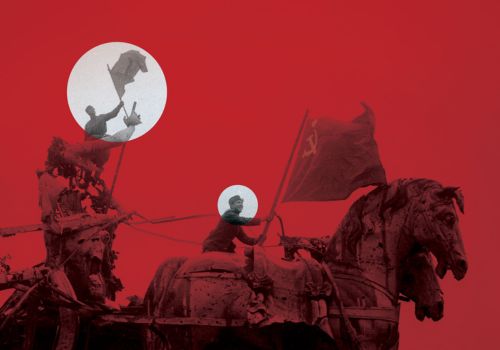
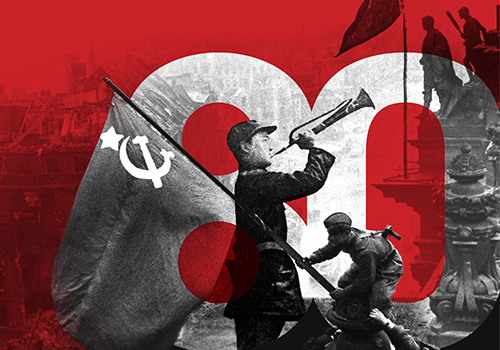
Amidst a web of lies and half-truths touting the heroism of the West in World War II (what we call the World Anti-Fascist War), the enormous truth is that it was the Soviet Red Army…
As we commemorate eighty years since the people’s victory in the World Anti-Fascist War, we must remember who truly saved humanity – and honour their sacrifice with the truth.
The US has tried to use economic and military pressure to maintain a dominant position in Asia, but the rise of China and the region’s agenda have made it increasingly difficult.
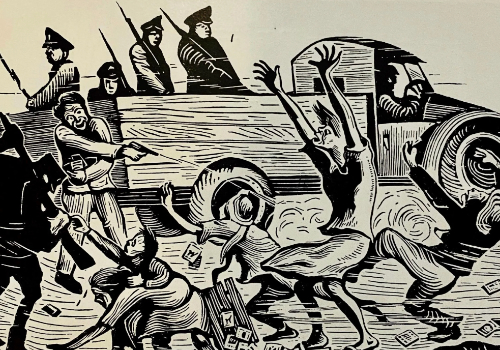
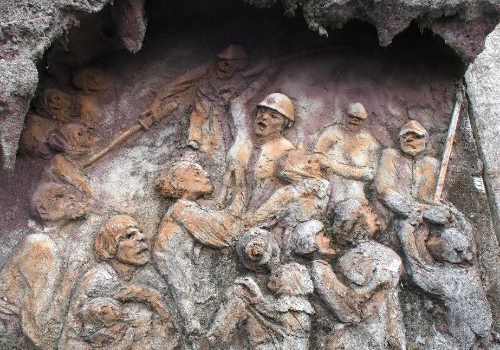
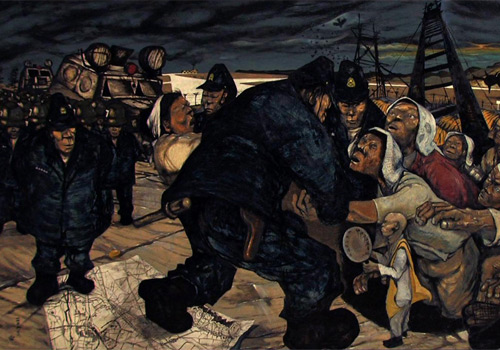
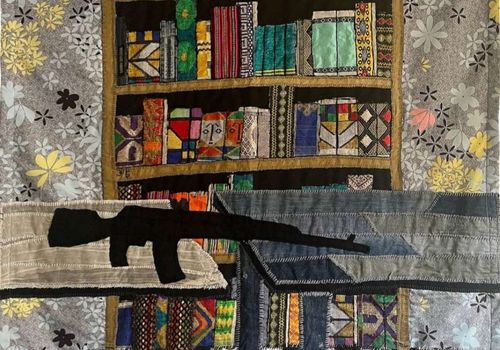
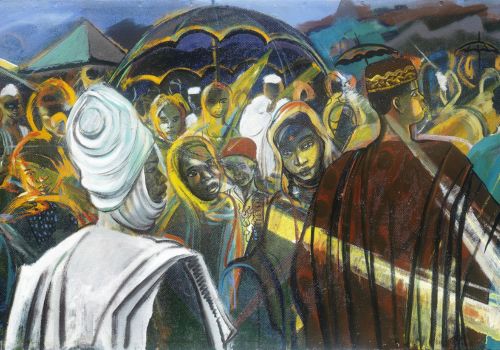
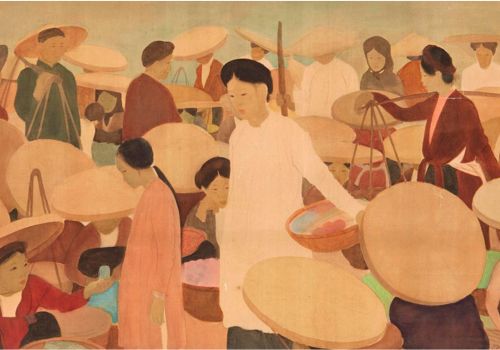
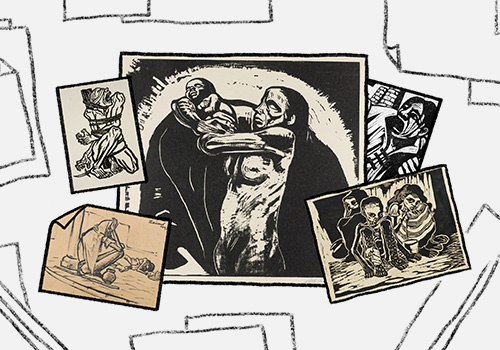
Eighty years after the victory of the World Anti-Fascist War, we remember how artists from China to Mexico have used art as a practice of solidarity and a tool for revolutionary social transformation.
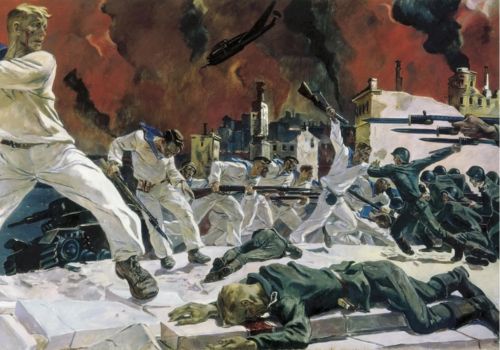
Tens of millions in China and the USSR gave their lives to defeat fascism during World War II; as imperialist militarisation rises again, No Cold War reiterates a call for peace.